



Fully custom casework · Family-owned · Quote only
Veterinary, canine and animal-science casework
Plan animal-health cabinets around the procedure and species, not a generic veterinary label. Canine diagnostics, companion-animal care, veterinary teaching and necropsy support have different storage, cleaning and equipment needs.

Canine diagnostic and reproduction laboratories
For canine blood, urine, cytology, parasitology or reproduction work, map sample receipt, preparation, microscopy and clean consumable storage. List analyzers, microscopes, centrifuges and other selected equipment with their service clearances. State any semen-handling or breeding-program workflow separately; ordinary cabinets do not provide temperature control or validate a diagnostic process.
Working-dog and K9 program support
Police, military, detection-dog, service-dog and sporting-dog programs can identify the laboratory or clinical support task when requesting casework. Separate sample-processing supplies, instruments and documentation from animal housing and training equipment. This page covers cabinet planning, not kennels, training systems or a claim of agency approval.
Veterinary hospitals, clinics and teaching
For companion-animal hospitals, referral centers, veterinary schools and animal-science programs, define examination support, treatment supplies and teaching storage by room. Identify canine, feline, equine, livestock or mixed-species needs explicitly. Use the selected equipment dimensions and the facility's cleaning protocol to guide the layout.
Animal pathology, necropsy and research
Keep necropsy and animal-pathology storage separate from routine diagnostic and clean clinical supplies. Mark specimen containers, instrument positions, sinks and the operating footprint of the selected station. Zoological, agricultural and animal-research facilities should provide species, procedure and facility requirements; a standard cabinet does not establish biosafety containment.
Veterinary necropsy casework and sink stations
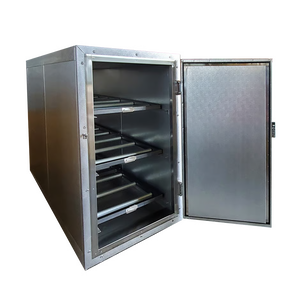
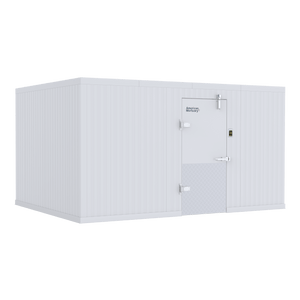
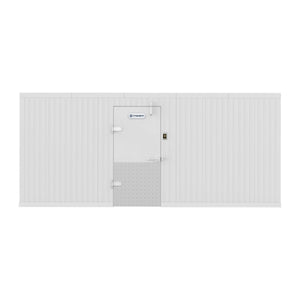
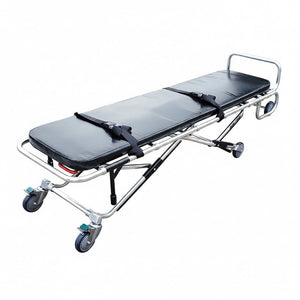
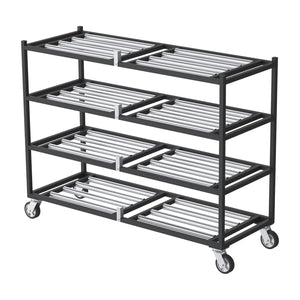
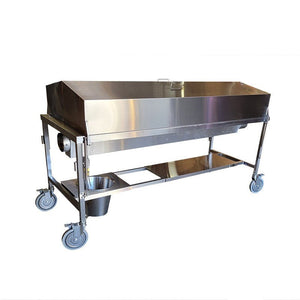
Source equipment views of USPE PET necropsy sink stations, flushing stations, water control units and the stainless cabinets that support them. Configurations are confirmed in the written quote.


Product photographs show the listed model; CAD studies are design references, not released engineering or as-built records.
Steel construction, custom colors and a long-term plan
Specify durability where it matters
Choose the cabinet construction for the room's actual use. Record component materials, loaded drawer and shelf requirements, joints, hardware, service access and cleaning products. For a non-wood configuration, request steel bodies and fronts explicitly; do not identify the substrate by a finish photograph.
Stainless and powder-coated steel choices
Separate stainless steel, powder-coated steel and powder-coated stainless steel in the schedule. Compare coatings, exposed edges, repair and care requirements with any wood-based or laminate alternative. Steel is not automatically immune to corrosion, finish damage or incompatible cleaning agents.
Color without losing material clarity
Request Clinical White, Foundry Gray, Onyx Black, Harbor Blue, Sage Mineral, Deepwater Teal or another listed USPE finish. Two-tone requests should identify the body and front colors separately. Review all finish colors and reference codes, then approve a physical chip and model-specific coating details.
Family-owned and operated
Work with a family-owned, family-operated business on the cabinet schedule and project quote. Keep your room plans, selected options and purchasing requirements in one coordinated request, with custom details confirmed in writing rather than left to a generic configuration.
Choose a cabinet function, then specify the details
Use the cabinet catalog and native product pages as the starting point for the request. Keep custom dimensions, finishes, hardware and storage requirements tied to the model and quantity for review.
Product examples are not a room-specific fit or performance approval. Requested configurations remain subject to written review.
Guides for a coordinated casework request
Use the existing USPE selection documents to organize choices before quoting. These planning references are not model-specific manuals, released drawings or engineering approvals.
 Quote checklist · PDF
 Cabinet configurations · PDF
 Hardware options · PDF
 Veterinary care guide · PDF
Architect, facility and purchasing requirements
Include the room schedule, specification section, selected model and option codes, required submittals and purchasing instructions. For multi-room or public-agency projects, keep material, finish, hardware and drawing revisions identifiable for every room.
- CSI MasterFormat
- 12 35 53Laboratory CaseworkPlanning reference; confirm the project section.
Request NAICS, UNSPSC, PSC/FSC, NIGP, SIC or HS/HTS review when your purchasing process requires it. These classifications need confirmation for the exact item and scope; no registration, contract eligibility or government approval is implied.
American-made purchasing requirements
If your project requires American-made laboratory casework, include the U.S.-manufacture and country-of-origin documentation requirements in the RFQ. Confirm the documents for the exact quoted items before applying a Buy American, BABA or other domestic-preference designation.
Plan for the facility using the room
Questions for this project
Is every canine laboratory a necropsy laboratory?
No. Identify diagnostics, reproduction, teaching, clinical support or necropsy as the actual activity. That distinction guides the storage request and prevents unrelated animal-pathology equipment from being added to the room.
Can veterinary casework be fully custom?
Request the dimensions, cabinet arrangement, material, body and front finish, hardware and storage layout needed for the room. Include the animal-health equipment schedule for review, with custom details confirmed in the written quote.
Send a cabinet schedule, not just a room name
Include the room plan, cabinet models or requested layouts, quantities, dimensions, materials, finishes and hardware. Keep the equipment schedule and required technical documents with the same request.

