



Coroner Office Equipment Checklist
Best-fit buyer
coroner offices and small public facilities should use this page before approving a purchase order, financing plan or bid packet.
Decision point
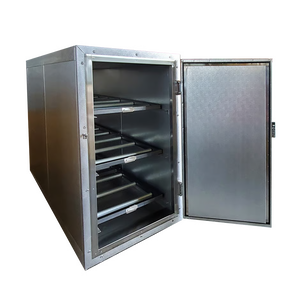
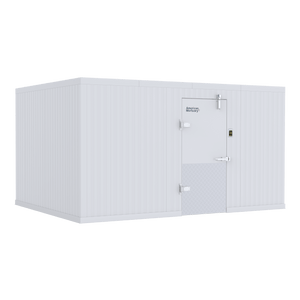
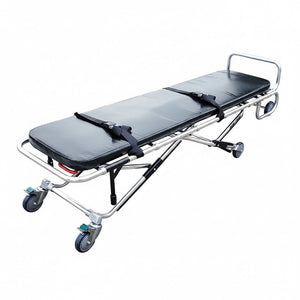
Coroner equipment planning often combines body storage, evidence-aware intake, transfer equipment and emergency capacity.
Recommended next step
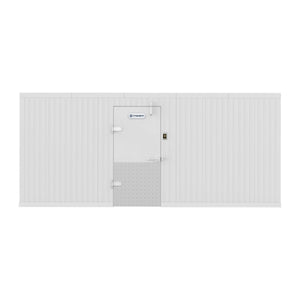
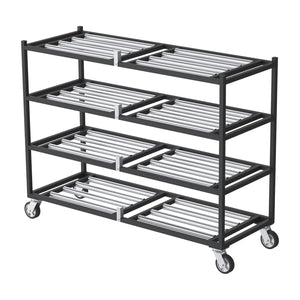
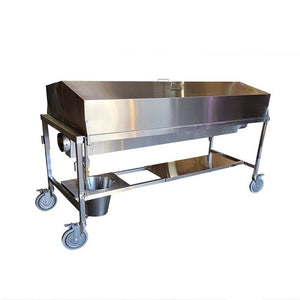
Start with a right-sized cooler, racks/trays, lift support, receiving checklist and public-purchase documentation.
Buyer comparison framework
| Scope | Confirm equipment type, dimensions, capacity, material, utility requirements, freight terms, delivery path and documentation. |
|---|---|
| Trust check | Ask for model details, warranty path, support contact, replacement-part plan and quote assumptions before comparing vendors. |
| Safety and workflow | Review transfer height, staff handling, cleaning routine, body capacity, drainage or plumbing needs, and OSHA-aware ergonomic planning. |
| Procurement | Capture RFQ owner, approval authority, PO requirements, financing terms, W-9/vendor setup and final acceptance criteria. |
Trust and compliance notes
Regulations, refrigeration standards, refrigerant availability, local codes and facility policies can change. Buyers should verify current DOE, state, local AHJ, OSHA, infection-control and procurement requirements before signing off. For self-contained refrigeration, do not assume drainage is unnecessary; condensate handling, housekeeping, heat rejection and service clearance should be reviewed before installation.
Recommended product and guide links
Related comparison pages in this network
Details to include in your quote request
- Which product model or category best fits this comparison and why?
- What dimensions, load ratings, body capacity or table specifications should be confirmed?
- What utilities, drainage, condensate, plumbing, electrical, freight or delivery-path requirements apply?
- What products, accessories or documentation should be included in the final quote request?
- What warranty, support, startup, acceptance and freight-damage procedures should be documented?


