



Mortuary Lift Buyer’s Guide
How To Choose A Mortuary Lift planning should be practical, buyer-focused and quote-ready. A buyer guide helps facilities match lift type, capacity, platform height, room workflow and budget to the correct equipment.
Who This Page Helps
This guide is written for funeral directors, embalmers, morgue managers, coroners, medical examiners, hospital buyers, university lab managers, crematory operators, contractors, architects and purchasing teams who need commercially useful equipment guidance without fluff.
Where to start
| Buyer need | Recommended path | Links |
|---|---|---|
| Compare categories | Review equipment type, capacity, workflow and total project scope. | |
| Request quote | Send room dimensions, product interest, facility type and need date. | |
| Institutional purchase | Coordinate specs, PO terms, freight, safety documentation and approval packet. |
Lift Types to Compare
Hydraulic, electric, low-profile, bariatric and scissor-style platforms each solve different problems. Buyers should compare travel height, platform size, working load, turning radius, service access, power or hydraulic maintenance and operator training.
- Hydraulic mortuary lifts are common for controlled lifting and positioning.
- Electric mortuary lifts may help repeat workflows that benefit from powered assistance.
- Low-profile lifts help where starting height and cooler alignment matter.
- Bariatric lifts should be reviewed around capacity, width, door clearance and written SOPs.
How to Choose the Right Mortuary Lift
The best mortuary lift is the one that matches your cooler, rack system, room layout and staff workflow. Do not purchase on price alone; confirm capacity, lift range, approach angle, service path and receiving details.
- Measure cooler opening height, rack height and table height.
- Confirm whether the lift supports one-person handling goals.
- Review accessories, parts availability and service documentation.
- Ask for quote guidance before ordering complex body-handling equipment.
Comparison: Lift vs Stretcher vs Rack vs Scissor Lift
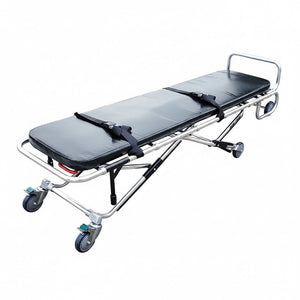
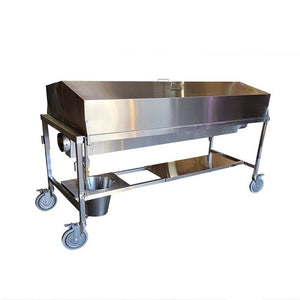
A lift is not a cot, a rack or a generic warehouse scissor lift. Cots and removal stretchers transport; racks store; mortuary lifts raise, lower and align remains for transfer.
- Use stretchers for removal and transport workflow.
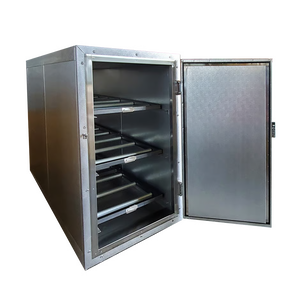
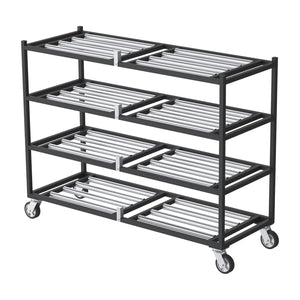
- Use racks for organized storage inside coolers or morgue rooms.
- Use mortuary lifts for vertical alignment and transfer support.
- Be cautious with generic scissor lifts that are not matched to mortuary workflow.
Accessories, Replacement Parts and Long-Term Support
Body-handling equipment should be purchased with maintenance and parts planning in mind. Ask about casters, batteries, chargers, hydraulic service, platforms, pads, straps and documentation before approval.
- Create a parts/support contact plan.
- Document serial/model information after delivery.
- Include lift accessories in the same procurement documentation when possible.
- Budget for preventive inspection and operator training.
Related equipment and guides
Use these links to move buyers from education to product selection, financing, freight planning and quote support.
Related equipment and guides
Frequently Asked Questions
What is a mortuary lift used for?
A mortuary lift helps raise, lower and align remains for cooler loading, rack loading, table transfers and body-handling workflow.
Who buys mortuary lifts?
Funeral homes, morgues, coroners, medical examiners, hospitals, universities and crematories commonly review mortuary lifts.
Is a mortuary lift the same as a stretcher?
No. A stretcher or cot is mainly for transport. A mortuary lift is used for vertical positioning and transfer support.
What is the best lift for loading a body into a cooler?
The best choice depends on cooler opening height, rack/tray style, room clearance, body weight range and staffing procedures.
Should I choose hydraulic or electric?
Choose based on workflow, maintenance preference, repeat-use needs, capacity, charging or hydraulic service requirements and site conditions.
Do bariatric cases require special lift planning?
Yes. Review working load, width, floor conditions, clearance, staff procedures and compatible stretchers, racks and coolers.
Can one person use a mortuary lift?
Some workflows are designed to reduce manual effort, but the facility must confirm safe operating procedures, staffing rules and product documentation.
What should I provide for a quote?
Send facility type, room dimensions, cooler/rack heights, doorway path, case weight range, need date, shipping location and product preferences.
Do mortuary lifts need accessories?
Many facilities review pads, straps, platforms, casters, chargers, batteries, hydraulic service parts and replacement components.
Safety, Documentation, and Compliance Planning
Body-handling lift plans should account for weight capacity, staff ergonomics, cooler/rack loading height, doorway clearance, floor conditions, battery charging or hydraulic service requirements, and written operating procedures. This page is buyer-planning content, not legal, engineering, safety, tax, code or clinical advice. Confirm requirements with your facility safety officer, authority having jurisdiction, licensed contractors, state funeral board, procurement office, and product documentation before purchase or installation.