



Forensic & Medical Examiner Equipment: A Grant Planning Checklist
Prepare an equipment RFQ for a forensic laboratory or medical examiner project, with official Coverdell, DNA CEBR and MUHR references and an eligibility-first checklist.

A useful equipment request starts with an eligible applicant and a defined service need, not a product list. Use this checklist to prepare a conversation with your agency's grant manager before committing to a purchase.
Key takeaways
- The date displayed in a search result may not describe every registration or submission stage.
- Document the operational problem: capacity, workflow, safe handling, evidence integrity or a specific service gap.
- Confirm the deadline, time zone, required accounts, attachments and any separate agency-system deadline with the program office.
- List quantities, model references, dimensions, electrical requirements and site constraints.
Choose the correct funding route
The BJA Coverdell program supports states and units of local government in improving forensic science and medical examiner/coroner services. Its overview says program funding cannot be used for research. That does not establish that a particular cooler, autopsy table, lift or rack is an allowable purchase; the current notice and award terms control.
The DNA Capacity Enhancement for Backlog Reduction program is focused on eligible DNA laboratories and processing samples for CODIS. It is not a general-purpose mortuary equipment fund. The Missing and Unidentified Human Remains program addresses reporting, transportation, testing and identification; verify the current solicitation rather than assuming that its broad purpose authorizes a specific equipment expense.
Check the applicant and both submission systems
Read the full notice on the awarding agency's website and follow its eligibility and submission instructions. The date displayed in a search result may not describe every registration or submission stage. Confirm the deadline, time zone, required accounts, attachments and any separate agency-system deadline with the program office.
State-administered opportunities may have their own application process. Use the OJP State Administering Agencies directory to contact the appropriate office about formula-fund distribution and state requirements.
Build a configuration-specific budget
- Document the operational problem: capacity, workflow, safe handling, evidence integrity or a specific service gap.
- List quantities, model references, dimensions, electrical requirements and site constraints. Separate required equipment from optional accessories.
- Ask for itemized equipment, freight, installation and training figures where applicable. Confirm the destination and scope before relying on a budget.
- Ask the grant manager about cost allowability, matching funds, procurement procedures, prior approval and when costs may be incurred.
- Keep agency approval, competitive procurement records and the final configuration with the award documentation.
AMC's procurement codes are reference classifications, not evidence of grant eligibility or agency approval. Confirm the solicitation's codes and requirements with the purchasing office, and request corrections for the exact configuration when needed.
Prepare the equipment request
Use the government buyer desk and classification references and include the opportunity number in your equipment RFQ. For pathology and laboratory projects, browse USPE; for veterinary projects, use USPE Vet. AMC can provide equipment information and a written quote, but does not determine grant eligibility, submit your application or guarantee funding.
Program guidance reviewed October 29, 2026. Check current notices in the equipment grants and funding resource desk. This planning information is not legal or financial advice, an award notice or a promise of funding.
Equipment related to this guide

SKU: USPE-AT-PED-E · Model: USPE-AT-PED

SKU: USPE-1035-01

SKU: 1035-03P

SKU: AMC-0810-LH-8
| Product | SKU / model | Catalog price (checked Nov 19, 2026) |
|---|---|---|
| Pedestal Autopsy Table, Elevating & Rotating – Model USPE-AT-PED | USPE-AT-PED-E | $23,755.05 |
| Pathology Grossing Station | USPE-1035-01 | $12,789.99 |
| Electric Immersion Dissection Table | 1035-03P | $14,199.02 |
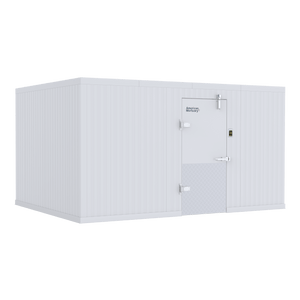
| 8x10 Walk-In Mortuary Refrigerator | AMC-0810-LH-8 | $10,800.57 |
Prices are the current listed catalog prices and can change; options, freight and installation are quoted separately. Open each product page for full specifications.
Resources & Related Guides
Related products
- Autopsy, anatomy & pathology tables and grossing stations
- Autopsy & mortuary tables
- Autopsy & dissection sinks
Planning guides
See all videos on the AMERICAN MORTUARY EQUIPMENT™ YouTube channel
